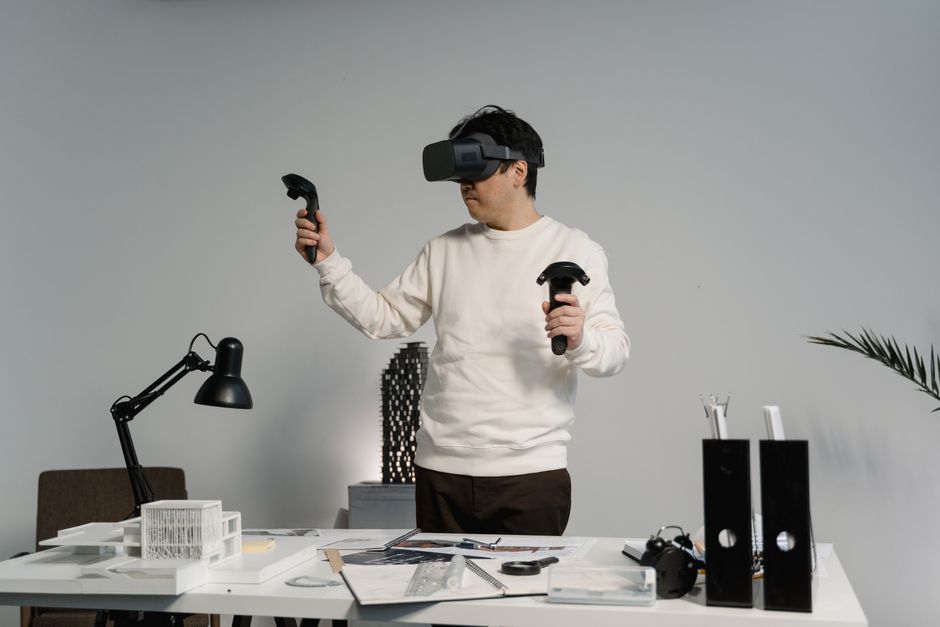
Understanding VR Technology in the Workplace
Virtual reality (VR) isn’t just for gaming enthusiasts anymore. By 2026, many companies are integrating VR into daily operations, from training modules to virtual meetings. This technology can immerse employees in realistic simulations that enhance learning and productivity. However, as with any innovation, VR in the workplace brings unique legal challenges that employers must navigate carefully.
Privacy Concerns: Protecting Employee Data
One primary concern with VR technology is data privacy. VR systems can collect a significant amount of personal information, such as biometric data and physical movements. Employers must ensure that this data is collected, stored, and used in compliance with privacy laws. For instance, the California Consumer Privacy Act (CCPA) mandates transparency about data collection practices. Employers should develop comprehensive privacy policies and obtain explicit consent from employees before collecting VR data.
Workplace Safety: Mitigating Risks in Virtual Environments
While VR can simulate real-world scenarios, it also introduces physical and psychological risks. Employees using VR may experience motion sickness or physical injury. Furthermore, prolonged exposure to virtual environments may lead to mental fatigue or stress. To mitigate these risks, employers should implement safety protocols, such as providing breaks, offering proper VR equipment training, and setting up a safe physical environment for VR use.
Intellectual Property: Protecting Innovative Content
Incorporating VR in the workplace can lead to the creation of new content, such as training simulations or collaborative projects. Employers must address intellectual property (IP) rights to protect these innovations. Determining ownership of VR content is crucial, especially when multiple employees contribute to its development. Clear IP agreements and policies can prevent disputes and ensure that the company retains control over its VR assets.
Discrimination and Accessibility: Ensuring Inclusivity
While VR offers innovative solutions, it can also raise discrimination concerns. Employers must ensure that VR technology is accessible to all employees, including those with disabilities. The Americans with Disabilities Act (ADA) requires reasonable accommodations, and this extends to VR tools in the workplace. Employers should invest in adaptable VR systems and conduct regular assessments to ensure inclusivity for all users.
Practical Takeaway: Implementing VR Legally and Responsibly
As virtual reality continues to revolutionize the workplace, preparedness is key to avoiding legal pitfalls. Employers should stay informed about evolving VR technologies and associated legal frameworks. By establishing robust privacy protocols, ensuring workplace safety, defining intellectual property rights, and promoting inclusivity, companies can harness the full potential of VR without compromising legal compliance. This proactive approach not only protects the organization but also fosters a positive and innovative work environment.