Understanding Your Rights: A Guide to Tenant Law in 2027
As we approach 2027, tenant laws continue to evolve, adapting to new challenges and circumstances. Whether you’re renting an apartment in bustling New York City or a cozy cottage in the Midwest, it’s crucial to stay informed about your rights and responsibilities as a tenant. This guide will help you navigate the complexities of tenant law with confidence.
Understanding Lease Agreements
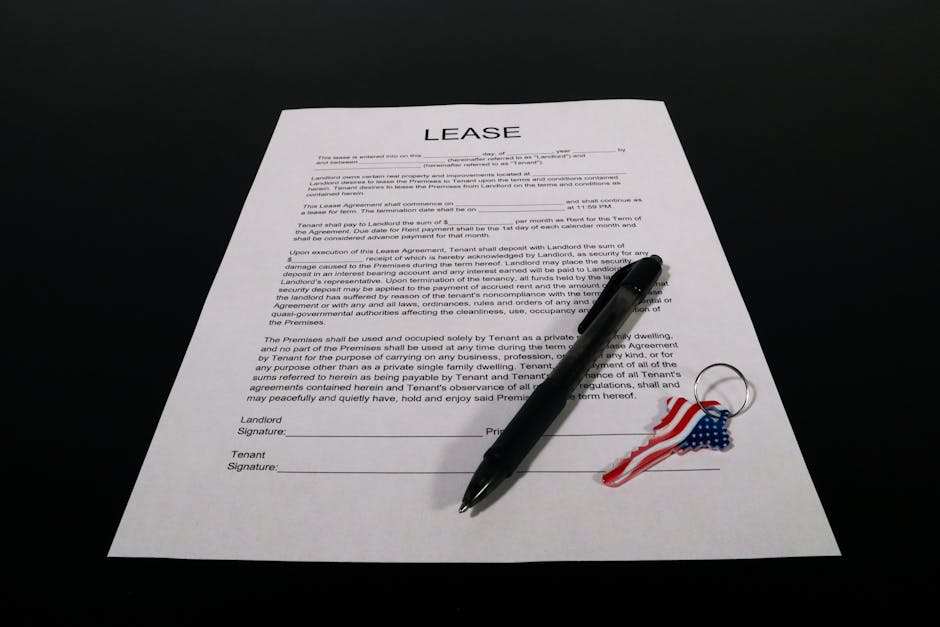
Your lease agreement is the cornerstone of your rental relationship. It outlines the terms and conditions of your tenancy and protects both you and your landlord. In 2027, it’s essential to be vigilant about the details of your lease.
- Key Components: Make sure your lease includes crucial components such as the rental amount, payment schedule, duration of the lease, and any additional fees. An absence of clarity in these areas can lead to disputes.
- Inspection Clauses: Be aware of inspection clauses, which dictate when and how often your landlord can inspect the property. These should be reasonable and not infringe on your privacy.
- Renewal Terms: Pay attention to renewal terms, especially automatic renewal clauses that might lock you into another term without explicit consent. Always have a clear exit strategy outlined.
Security Deposits: What to Expect
Security deposits are a common point of contention between tenants and landlords. In 2027, regulations surrounding these deposits have become more stringent to protect tenants from unfair practices.
- Maximum Limits: Many states now cap the amount a landlord can charge for a security deposit, often equating to one or two months’ rent. Check your local regulations to ensure compliance.
- Return Timelines: Landlords are required to return security deposits within a specified timeframe after tenancy ends, typically 30 to 45 days, unless justified deductions are made for damages.
- Itemized Deductions: Any deductions must be itemized and justified. As a tenant, document the condition of the property before and after your stay to protect against unwarranted claims.
Tenant Responsibilities and Rights
Understanding your responsibilities as a tenant is just as important as knowing your rights. This balance ensures a smooth rental experience.
- Maintenance Responsibilities: You’re generally responsible for maintaining cleanliness and minor repairs within your rental unit. However, landlords are obligated to handle major repairs and ensure the unit is habitable, adhering to health and safety codes.
- Right to Privacy: Your right to privacy is protected under tenant laws. Landlords must provide notice, usually 24 to 48 hours, before entering the premises, except in emergencies.
- Anti-Discrimination Protections: Federal and state laws prohibit discrimination based on race, religion, gender identity, and other statuses. Familiarize yourself with these laws to recognize any potential violations.
Resolving Disputes with Your Landlord
Disputes can arise even in the best of situations. Knowing how to handle them is crucial.
- Communication: Try to resolve issues through open communication first. Document all exchanges to create a record of your efforts.
- Mediation Services: Many states offer free or low-cost mediation services to help tenants and landlords reach amicable solutions without going to court.
- Legal Recourse: If disputes escalate, legal action may be necessary. Understanding the small claims process and consulting with a tenant rights attorney can provide clarity and assist in navigating the system.
The Future of Tenant Law
Looking ahead, tenant laws are increasingly focusing on sustainability and accessibility. Legislation is being introduced to ensure rental properties meet energy efficiency standards and are accessible to all individuals, including those with disabilities.
- Sustainable Living Initiatives: Expect to see more properties implementing eco-friendly solutions, from solar panels to energy-efficient appliances, driven by both tenant demand and regulatory requirements.
- Accessibility Improvements: Laws are being updated to ensure that rental properties are accessible to tenants of all abilities, with requirements for ramps, elevators, and other accommodations.
As we move into 2027, the landscape of tenant law continues to shift. Staying informed and proactive is key to ensuring your rights are protected and your rental experience is positive. Always seek professional legal advice when in doubt, and remember: knowledge is your greatest ally in navigating the world of tenancy.
Practical Takeaway
The complexities of tenant law in 2027 demand attention to detail and proactive engagement. Review your lease agreements thoroughly, understand your rights and responsibilities, and don’t hesitate to seek professional advice when faced with disputes. This approach not only safeguards your rights but also enhances your living experience.